
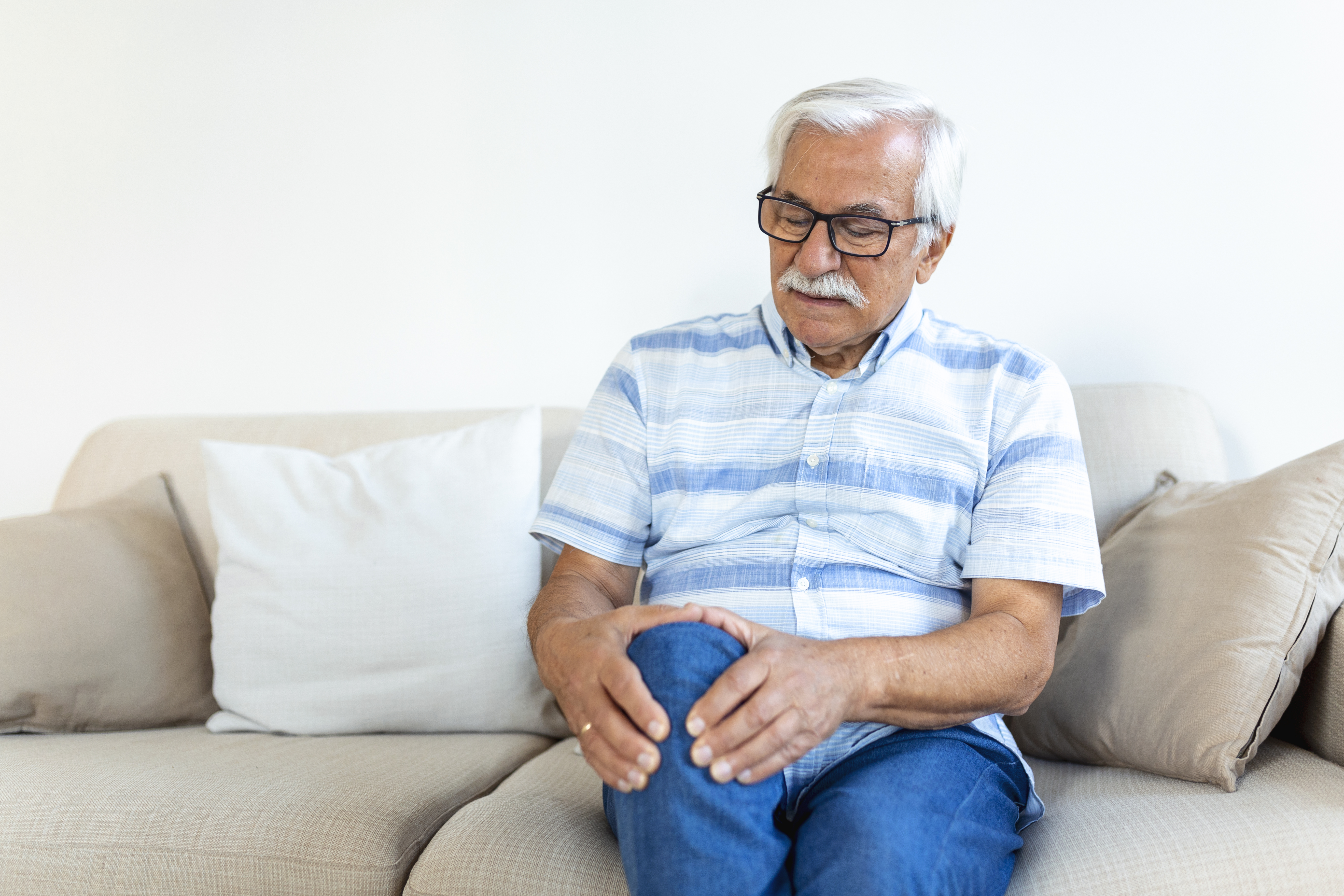
Has your morning walk started feeling like a chore? Does climbing those few steps to your flat feel like a small mountain? You are not alone. Millions of Indians live with daily knee pain, and most of them quietly believe that surgery is the only way out. Here is the good news. It is not.
As an orthopaedic doctor, I see patients every week who walk into the clinic convinced they need a knee replacement and walk out with a non-surgical treatment plan. Today, let us sit down and talk about the most effective knee replacement alternatives, why they work, and when surgery actually becomes the right call.
Your knee is one of the hardest-working joints in your body. It carries your weight, helps you squat for puja, lets you sit cross-legged on the floor, and supports every single step you take. Over time, all that loyal work begins to show.
The most common reason behind chronic knee pain is osteoarthritis. This happens when the smooth cartilage cushioning your bones slowly wears down. Healthline reports that osteoarthritis affects more than 32 million adults globally, and the knee is the joint that suffers the most.
Other reasons your knees might be complaining include:
Ligament or meniscus injuries from a fall, sport, or even an awkward twist
Rheumatoid arthritis, which is an autoimmune condition commonly treated under Rheumatology, can also lead to chronic knee pain and stiffness.
Older injuries that never fully healed
Extra body weight puts daily pressure on the joint
Here is what I tell every patient who sits across from me. Surgery is rarely the first option. It is usually the last.
Knee replacement surgery genuinely makes sense when:
Pain stays with you even at rest, especially at night
You cannot walk a short distance without support
Conservative treatments have not helped after at least six months
X-rays show severe bone-on-bone contact
Your daily routine has shrunk because of the pain
If your situation does not match this list, there are several alternative treatment for knee replacement that deserve a fair trial first.
Let us walk through the most effective non-surgical options. In my experience, most patients see real improvement when two or three of these are combined.
Physiotherapy is almost always the first knee replacement alternative I recommend. The right exercises strengthen the muscles around the knee, especially the quadriceps and hamstrings. Stronger muscles mean less pressure on the joint itself.
A trained physiotherapist will guide you through simple but powerful movements like straight leg raises, wall squats, stationary cycling, and gentle hamstring stretches. Twelve weeks of consistent physiotherapy can cut pain by more than half for many of my elderly patients. Medical News Today notes that supervised exercise therapy can be just as effective as surgery for mild to moderate osteoarthritis.
Yes, and the difference is much bigger than most people imagine. Every kilogram you lose takes around four kilograms of pressure off your knees with each step you take. Losing just five kilos can feel like removing twenty kilos of load from your joints.
For someone weighing 80 kilos who slowly drops to 70, the change in knee pain can be dramatic. I have seen patients quietly cancel scheduled surgeries simply because they lost weight and started feeling like themselves again.
Over-the-counter painkillers like paracetamol and ibuprofen can ease flare-ups. For longer-term comfort, your doctor may suggest topical anti-inflammatory gels, which work locally without troubling your stomach or kidneys.
Some patients also benefit from supplements like glucosamine and chondroitin. The evidence is mixed, but many feel genuine relief. Please speak with your doctor before starting any supplement, especially if you take medicines for blood pressure, sugar, or the heart.
This is one of the most underused alternative treatments for knee replacement in India. There are three main types you should know about:
Injections are not a magic cure, but they can buy you years of comfortable, active living, especially when paired with physiotherapy and weight loss.
For sudden flare-ups, RICE therapy works beautifully. That is Rest, Ice, Compression, and Elevation. Wrap a few ice cubes in a clean cotton cloth and apply for fifteen to twenty minutes, three to four times a day. Keep your leg raised on a cushion when sitting on the sofa.
It is the kind of simple care your grandmother probably already knew about, and it still works.
A well-fitted knee brace can take pressure off the painful side of the joint. For people with osteoarthritis on one side of the knee, an unloader brace can be a real game changer. Soft, cushioned shoes also help a lot. Those hard-soled chappals you wear around the house? They are not doing your knees any favours.
Older patients often worry about the risks of major surgery, anaesthesia, and the long recovery time. The good news? Most knee replacement alternatives work just as well, sometimes even better, for elderly patients.
Options that suit older adults particularly well include:
Aquatic therapy, because water takes up to ninety per cent of your body weight off the joints
Gentle tai chi or chair yoga, which improves balance and lowers the risk of falls
Hyaluronic acid injections for long-lasting relief without surgical risks
Regular short walks on soft, even ground
I remember a 72-year-old patient last year who refused surgery, even though her X-rays looked worrying. We started her on aquatic therapy at a nearby pool, adjusted her diet, and added monthly hyaluronic acid injections. A year later, she walks two kilometres every morning, pain-free.
That is a fair question, and many alternative therapies have solid research behind them.
WebMD reports that physical therapy can reduce knee osteoarthritis pain by 30 to 50 per cent in many patients. Acupuncture, while not a cure, has shown modest pain relief in multiple studies. Some patients also feel better with electromagnetic therapy and ultrasound treatment.
What should you avoid? Untested powders, miracle creams sold on social media reels, and any treatment that sounds too good to be true. If somebody promises a permanent cure in two weeks, walk away.
If knee pain is starting to interfere with your daily routine, please do not wait until you can barely walk. Early action almost always means better outcomes and fewer interventions later.
At UniClinic, our orthopaedic and Rheumatology specialists focus on the least invasive treatment that gives you the best result. We believe surgery should be considered only when nothing else works, not as the first answer to knee pain. Book a consultation, get a proper assessment, and let us build a plan that fits your life.
Surgery is usually considered only when there is severe bone-on-bone contact on X-rays, persistent night pain, and significant disability that has not responded to at least six months of conservative care. Most patients with mild to moderate osteoarthritis simply do not need surgery.
Even bone-on-bone knees can often be managed well with physiotherapy, weight loss, hyaluronic acid injections, PRP therapy, knee braces, and lifestyle changes. Many patients live comfortably for many years without ever needing surgery.
Yes, walking is generally good. It strengthens muscles around the joint and keeps it lubricated. Stick to flat, soft surfaces, wear cushioned shoes, and avoid overdoing it. Listen to your body and rest when it asks you to.
Regular strengthening exercises like straight leg raises, wall squats, and stationary cycling help build the muscles around your knees. Pair this with a balanced diet rich in calcium, vitamin D, and protein, plus maintaining a healthy weight.
Ignoring early symptoms and continuing high-impact activities like jogging on hard roads or repeatedly climbing stairs. The second biggest mistake is doing nothing at all. Smart movement is medicine. Sitting still all day only makes stiffness and pain worse.
Orthopaedic Doctors (Kolkata):
https://www.uniclinic.health/kolkata/doctor/dr-barun-datta
https://www.uniclinic.health/kolkata/doctor/dr-anish-hazra
Orthopaedic Doctor (Siliguri):
https://www.uniclinic.health/siliguri/doctor/dr-washf-rashid
Rheumatologist Doctor (Kolkata):
https://www.uniclinic.health/kolkata/doctor/debaditya-roy
Rheumatologist Doctor (Siliguri):
https://www.uniclinic.health/siliguri/doctor/dr-saikat-datta
Cleveland Clinic. Osteoarthritis of the Knee
Arthritis Foundation. Treatments for Osteoarthritis.
Disclaimer:
UniClinic does not represent or warrant that the content or information provided through our blog is accurate, complete, or current, nor that our blog content will be uninterrupted or error-free. We do not guarantee that any defects in our blog content will be corrected, or that our or the server hosting them are free of viruses or other harmful components. UniClinic makes no warranties or representations regarding the use of materials in our blog content concerning their correctness, accuracy, adequacy, usefulness, timeliness, reliability, or otherwise, to the fullest extent permitted by applicable law. Information available via our Platform and blog content may reference products, programs, or services not available in your region. You understand and acknowledge that your sole and exclusive remedy for any defect in or dissatisfaction with our blog content is to cease using them.
6C, Hazra Road, Near Sujata Smriti Sadan, Bakul Bagan, Kalighat, Kolkata, West Bengal 700026
90540 08864
63563 55500
70690 05888
Mon - Sat : 8am - 8pm
Sunday : 8am - 5pm
Quick Links
Company
Resources
Follow Us


.jpg)

 Meaning, Causes, Symptoms, Treatment & Types.png)