
Your kidneys don't complain much. They can lose a significant amount of function while you carry on feeling perfectly normal, which is why many people only find out something is wrong from a blood or urine test done for another reason.
Still, your body does sometimes drop hints. Urine that stays foamy. Eyes that look puffy when you wake up. Socks that leave deep marks around your ankles. None of these proves your kidneys are in trouble, but each one is a good reason to get checked.
Below, we look at what the early signs of kidney damage can look like, what usually causes the problem, which tests give you a real answer, and when it makes sense to see a nephrologist. If you already have your reports and want help with the numbers, our guide to creatinine levels and kidney health is a good place to start.
Your kidneys filter waste and extra fluid out of your blood. They also help your body make red blood cells and keep your bones strong by balancing minerals. When they start to struggle, the body copes surprisingly well for a long time, so nothing feels different.
Here's the part most articles skip: many people with early kidney disease have no symptoms at all, and the well-known warning signs are more common once the disease is advanced. So feeling fine doesn't rule anything out, especially if you live with diabetes or high blood pressure. Only testing can tell you how well your kidneys are working.
For many people, there isn't one they can feel. The first sign of kidney trouble is often a line on a lab report, such as albumin (a protein) in the urine or a falling eGFR.
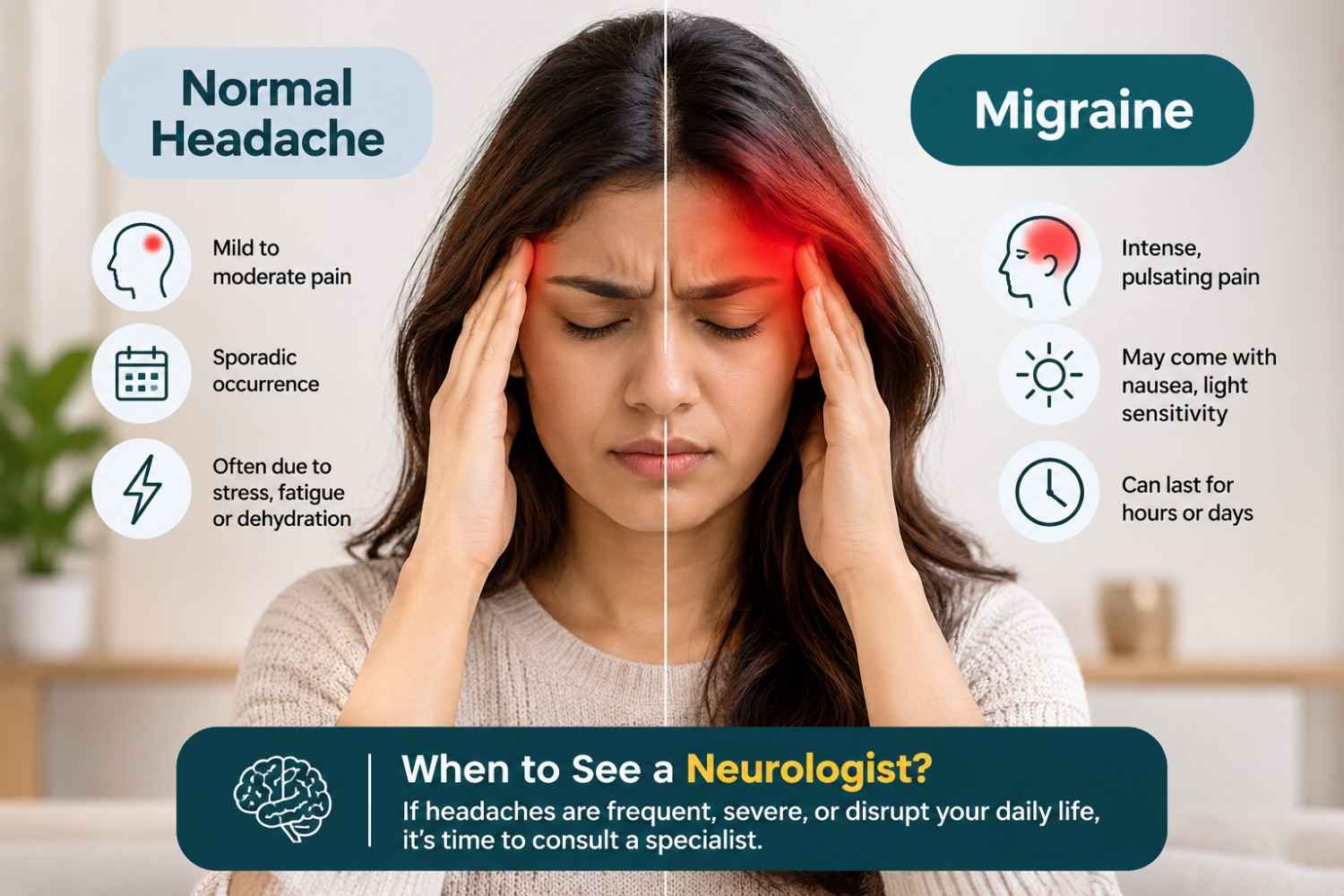
When there is something you can actually see, foamy urine is one of the more common first clues. It can mean protein is slipping through the kidneys' tiny filters and into your urine.
Whether you call it kidney damage, kidney trouble or the early signs of kidney malfunction, these are the changes worth paying attention to, particularly if they don't go away.
A few bubbles now and then are normal. Foam that shows up again and again, a bit like the head on a poured soft drink, should be checked because it can point to protein in the urine.
Waking up with swollen eyes that you can't put down to poor sleep or allergies can be another sign of protein loss. Protein helps hold fluid inside your blood vessels, so when it leaks out, fluid can settle in other places.
When kidneys can't clear extra salt and fluid properly, it tends to collect in the lower body. You might notice tight shoes, or sock marks that stay on your skin. Swelling can have other causes too, including heart and vein problems, so it needs a proper look rather than a guess.
Getting up several times a night when you never used to is easy to blame on age or that extra cup of tea. It can also happen when damaged kidney filters stop holding on to fluid the way they should. In men, an enlarged prostate is another common reason, which is one more reason to ask rather than assume.
This is the vaguest sign on the list, and the easiest to ignore. As kidney function falls, waste can build up in the blood and red blood cell levels can drop, leading to anaemia. If you're exhausted even after a full night's sleep, it's worth checking your kidneys along with the more obvious suspects. Our article on anaemia explains how that side of things works.
Pink, red or cola-coloured urine should never be brushed aside. It can happen when the kidneys' filters are damaged, although some foods and medicines can also change urine colour. Stones and infections are other possible causes. Either way, get it looked at soon.
These symptoms usually show up later, when kidney function has dropped further.
Most of these have everyday explanations, and many less serious conditions can cause them. That's exactly why a simple test is more useful than searching symptoms late at night.
Long-term kidney damage usually comes from other health conditions putting steady strain on the kidneys, often more than one at a time:
Diabetes: too much glucose in the blood damages the tiny filters.
High blood pressure: over time it strains the small blood vessels in the kidneys.
High cholesterol: fatty deposits can narrow the vessels that supply the kidneys.
Kidney infections and kidney inflammation (glomerulonephritis).
Polycystic kidney disease: an inherited condition in which cysts grow in the kidneys.
Blocked urine flow: for example, from kidney stones that keep coming back or an enlarged prostate.
Certain medicines taken regularly over a long time: these include lithium and anti-inflammatory painkillers (NSAIDs).
Not all kidney damage is slow. Acute kidney injury can develop quickly because of severe infection, dehydration, blood loss, a blockage or certain medicines. It can be serious, but many people recover fully within a few weeks with the right treatment.
You don't need to wait for symptoms. Talk to your doctor about testing if you have:
Diabetes (a check every year is recommended)
High blood pressure
Heart disease or heart failure
A family history of kidney failure
Obesity
A previous episode of acute kidney injury
Age matters too, because the risk rises as you get older.Chronic kidney disease is also more common in people of South Asian origin. If you already go for an annual health checkup, make sure a kidney test and a urine test are part of it.
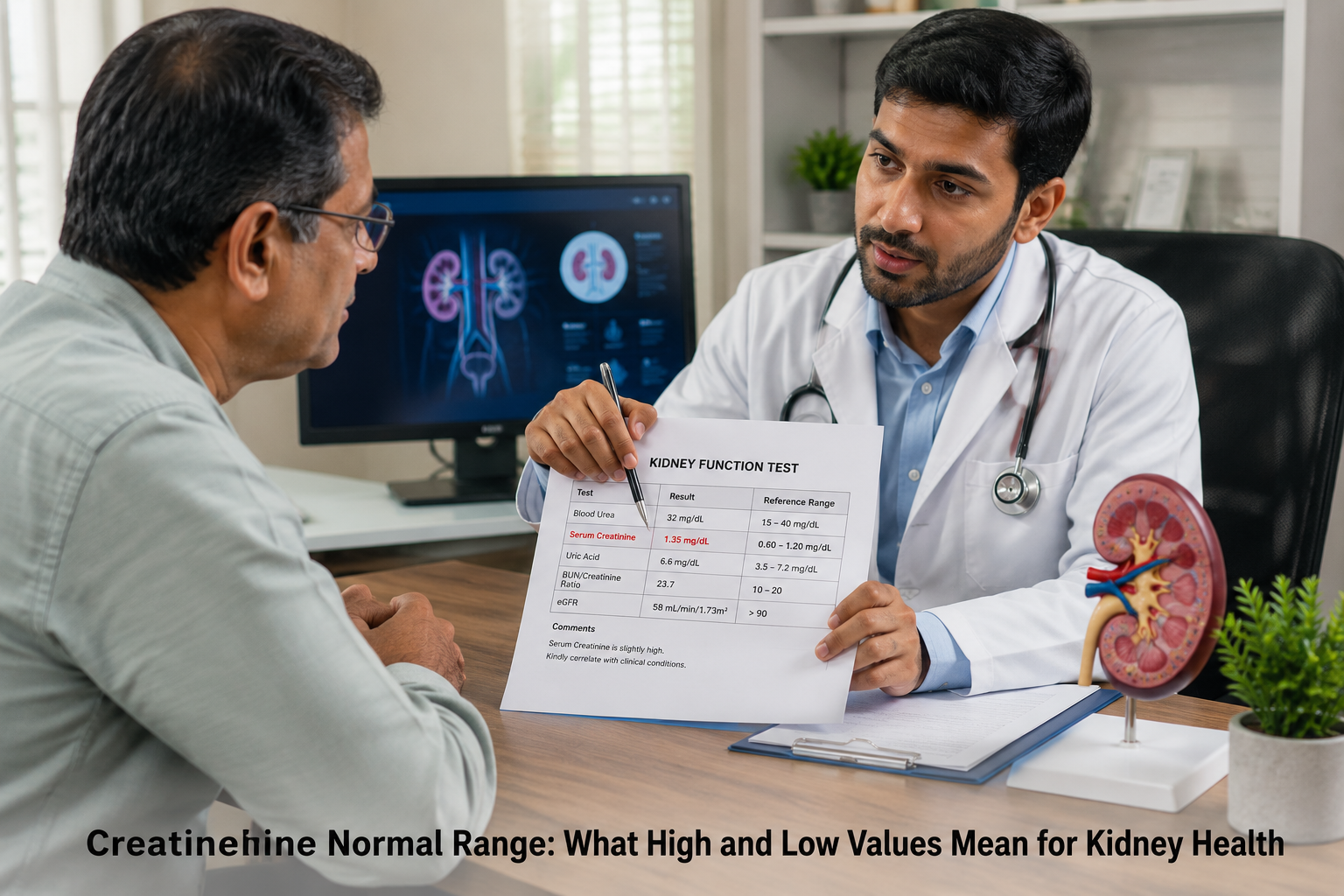
Checking for early signs of kidney disease usually starts with one blood test and one urine test, and you need both. The blood test shows how well your kidneys are filtering, while the urine test can pick up leaking protein even when filtering still looks fine.
One unusual report isn't a diagnosis. Doctors often repeat the test first, because something temporary can affect the result.
At UniClinic, you can book a kidney function test in Kolkata or a kidney function test in Siliguri. The urine microalbumin/creatinine test and ultrasound imaging are also available.
A nephrologist is a doctor who specialises in the medical care of kidney disease. Book a visit if:
Your eGFR is below 60, or keeps falling from one report to the next
A repeat urine test still shows albumin or blood
Your creatinine is high and nobody has explained why
Swelling, foamy urine or night-time urination isn't going away
You have diabetes or high blood pressure along with an abnormal kidney report
Your blood pressure has become hard to control
Kidney failure or polycystic kidney disease runs in your family
Get medical help the same day if you are passing much less urine than usual, or feel confused, unusually sleepy, or breathless with swollen legs. A high temperature with pain in your side or back, especially with shivering or vomiting, also needs prompt care because it can mean a kidney infection. If someone is very drowsy or struggling to breathe, go straight to an emergency department.
In Kolkata, you can consult Dr. Indradip Maity, Consultant Nephrologist and Transplant Physician (MBBS, MD General Medicine, DM Nephrology), at our Hazra Road clinic. Visit our nephrologist in Kolkata page to book an appointment.
In Siliguri, you can see Dr. Abhinaba Debnath, Consultant Nephrologist (MD General Medicine, DM Nephrology), or Dr. Rajdeb Saha, Consultant Diabetologist, Nephrologist and Transplant Physician (MBBS, MD General Medicine, DM Nephrology), through our nephrologist in Siliguri service.
Small habits make a real difference here, and most of them help your heart as well.
Keep your blood sugar and blood pressure in the range your doctor has set, and don't stop prescribed medicines on your own.
Eat a balanced diet with plenty of vegetables and fruit, and go easy on salt.
Stay active and work towards a healthy weight.
If you smoke, get help to stop.
Don't reach for painkillers regularly without advice. If you need them often, tell your doctor.
Check with your doctor before starting any supplement or herbal remedy.
Drink enough fluids through the day, especially in hot weather or when you're unwell with vomiting or diarrhoea.
The early signs of kidney disease are easy to miss, and sometimes there are none at all. If something like foamy urine or swelling keeps coming back, don't wait for it to get worse. And if you have diabetes, high blood pressure or a family history of kidney problems, get tested even if you feel well. Finding damage early gives you the best chance of slowing it down.
If you have a concerning report or symptoms that won't settle, speak to a kidney specialist at UniClinic Kolkata – Nephrology or UniClinic Siliguri – Nephrology.
It depends on the cause. Sudden kidney injury often improves once the cause is treated. Long-term kidney disease has no cure, but treatment can often slow it down or stop it from getting worse, and that works best when it starts early.
Back pain is not a typical symptom of chronic kidney disease. Pain in the side or back is more likely to be linked to a kidney infection or a stone if it comes with fever, burning urine or vomiting. Most everyday back pain comes from muscles or the spine.
Yes. Creatinine can stay in the normal range in early kidney disease, because it depends on things like age and muscle mass as well as kidney function. This is why doctors look at eGFR and a urine albumin test alongside it.
No. Staying hydrated supports your kidneys, but extra water will not repair damage. If you already have advanced kidney disease or fluid retention, you may even be told to limit fluids, so follow your doctor's advice on how much to drink.
A nephrologist treats medical problems of the kidneys, such as chronic kidney disease, protein in the urine and kidney complications of diabetes. A urologist is a surgical specialist who deals with the urinary tract, including stones, blockages and prostate problems.
Yes. Kidney disease is more common with age, but it can affect anyone. In younger adults, it may be linked to diabetes, high blood pressure, kidney inflammation or an inherited condition, so symptoms or abnormal reports should not be dismissed because of age.
For test bookings and inquiries: Contact UniClinic
Nephrology | Cardiology | Endocrinology | Laparoscopic Surgery in Obstetrics & Gynecology | Gynecology & Obstetrics | General Medicine | Gynaecology | Orthopedics | Paediatrics | Diabetology | Ultrasound Imaging | Digital X-Ray | Blood Tests
Nephrology | Cardiology | Endocrinology | Laparoscopic Surgery in Obstetrics & Gynecology | Gynecology & Obstetrics | General Medicine | Gynaecology | Orthopedics | Paediatrics | Diabetology | Ultrasound Imaging | Digital X-Ray | Blood Tests
References & Citations
1. National Kidney Foundation — Signs and Symptoms of Kidney Disease.
2. NIDDK (National Institutes of Health) — What Is Chronic Kidney Disease in Adults?
3. NIDDK (National Institutes of Health) — Chronic Kidney Disease Tests and Diagnosis.
4. NHS (UK) — Chronic Kidney Disease: Overview.
5. NHS (UK) — Chronic Kidney Disease: Symptoms.
6. NHS (UK) — Acute Kidney Injury (AKI).
7. NHS (UK) — Kidney Infection.
8. NHS (UK) — Chronic Kidney Disease: Prevention.
Disclaimer: UniClinic does not represent or warrant that the content or information provided through our blog is accurate, complete, or current, nor that our blog content will be uninterrupted or error-free. We do not guarantee that any defects in our blog content will be corrected, or that our or the server hosting them are free of viruses or other harmful components. UniClinic makes no warranties or representations regarding the use of materials in our blog content concerning their correctness, accuracy, adequacy, usefulness, timeliness, reliability, or otherwise, to the fullest extent permitted by applicable law. Information available via our Platform and blog content may reference products, programs, or services not available in your region. You understand and acknowledge that your sole and exclusive remedy for any defect in or dissatisfaction with our blog content is to cease using them.
6C, Hazra Road, Near Sujata Smriti Sadan, Bakul Bagan, Kalighat, Kolkata, West Bengal 700026
90540 08864
63563 55500
70690 05888
Mon - Sat : 8am - 8pm
Sunday : 8am - 5pm
Quick Links
Company
Resources
Follow Us